Spain Study Abroad Trip
"Journey before Destination" - Brandon Sanderson
"Viaje antes que destino" - Brandon Sanderson
I had read this quote before, but I had never fully understood it until I left the country for the first time. During the summer of 2025, I had the opportunity to go on a two-week study abroad trip to Spain as part of the Kugelman Honors Program at UWF. Those two weeks live like a fever dream in my memory; I experienced so many new things and learned so much. Now yes, the destination was super cool, but it was not what taught me all I learned on the trip. Walking through the cities did. Living there did. The journey did, and this showed me a deeper meaning to Brandon Sanderson’s words.
Below are snippets from my journal I kept while in Spain, and I hope they can show just how much I learned and how impactful my journey there was.
Madrid
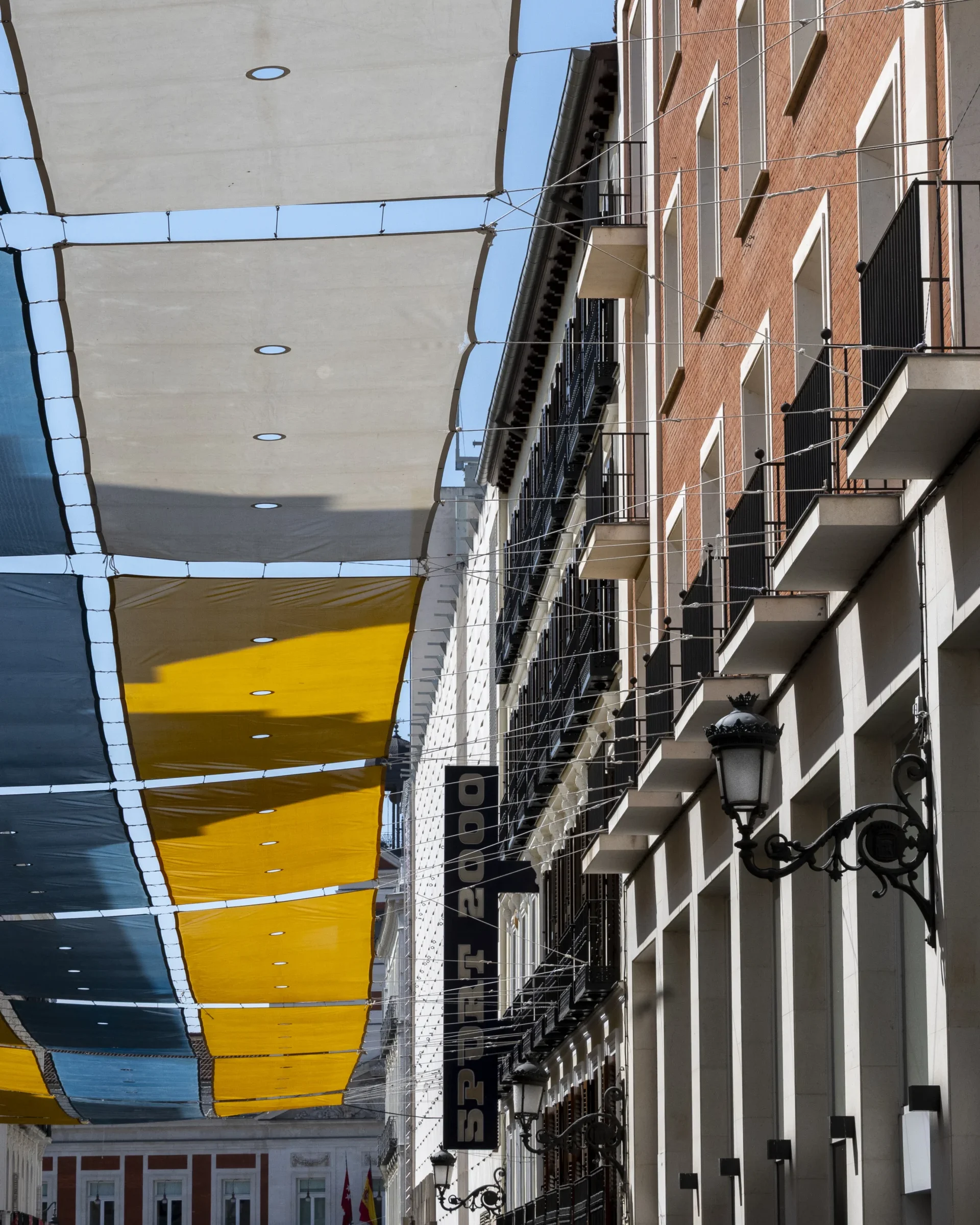
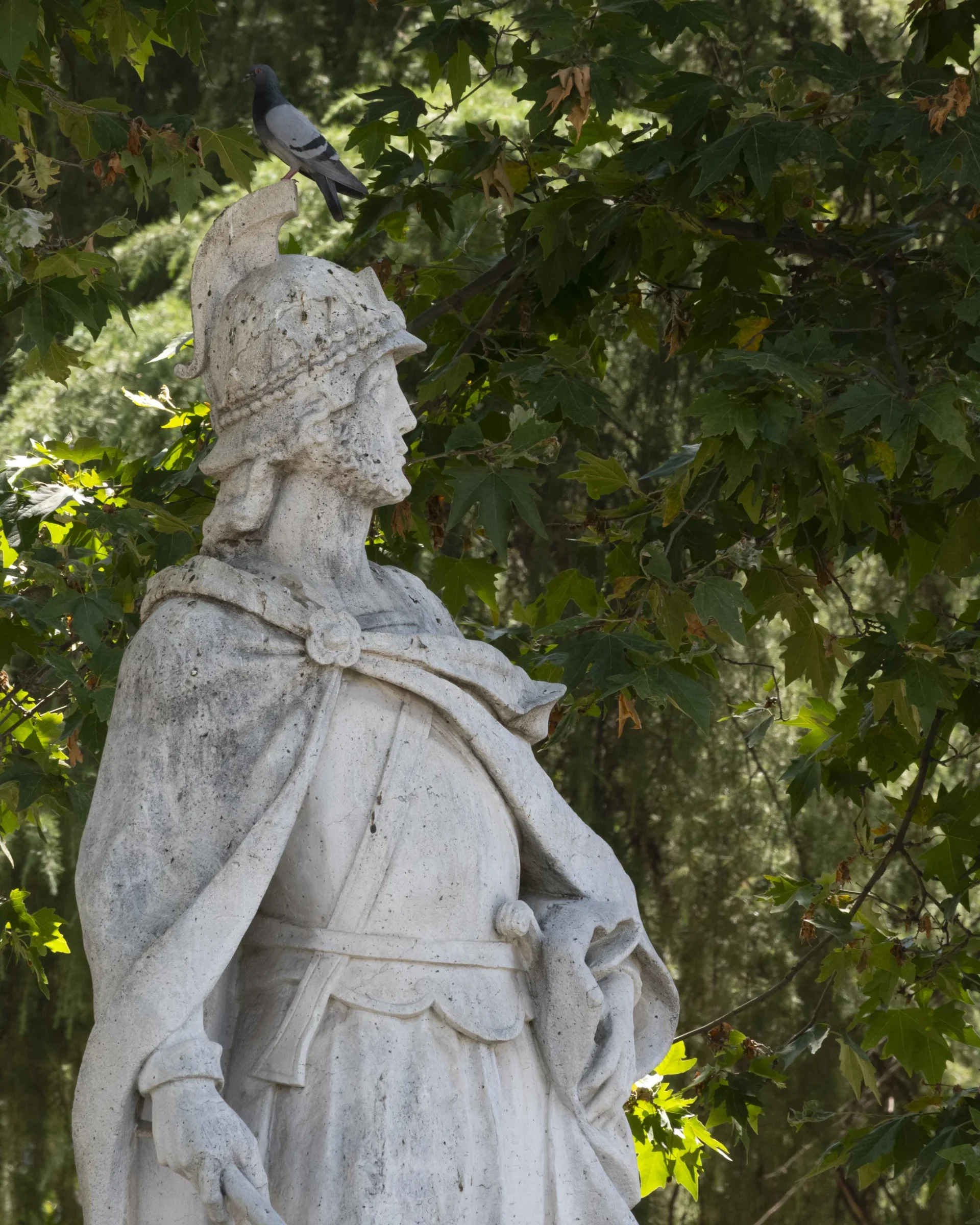
Day 1 – My first steps into Madrid, the firsts steps on my trip and the first steps into a completely different country, were full of excitement, a little worry, and a lot of grogginess, but I pushed through the alure of a long nap and got to see so many fascinating things. I knew things would be different from how I knew them to be, but researching them did not prepare me enough when I experienced it all first hand. The way the natives carried themselves when they walked, the food, not to mention the language difference, were all very different from what I knew, but what surprised me was that Madrid did not feel as foreign a city to me as I first expected it would, which is why I think it was the perfect first city on my journey.

Sevilla
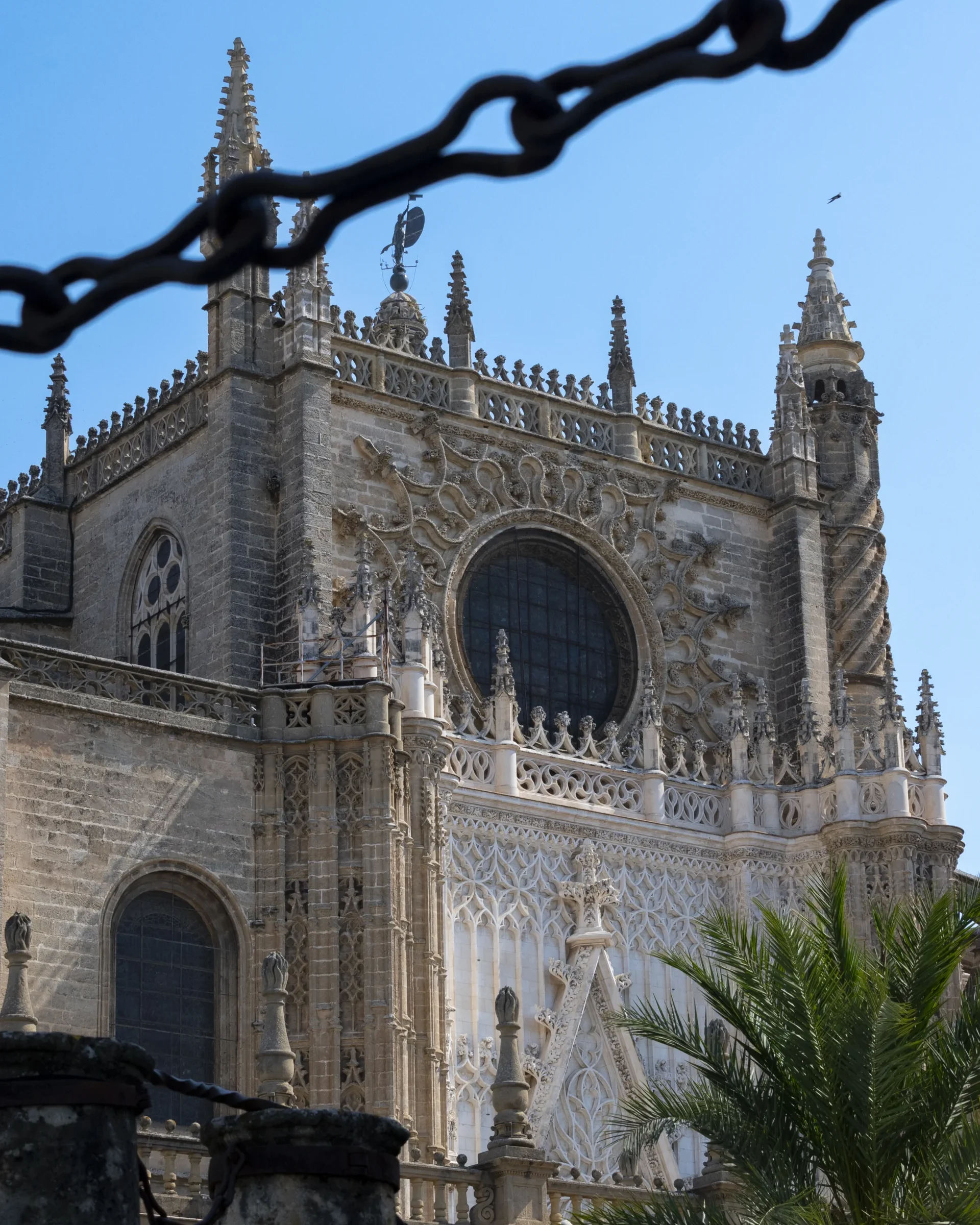
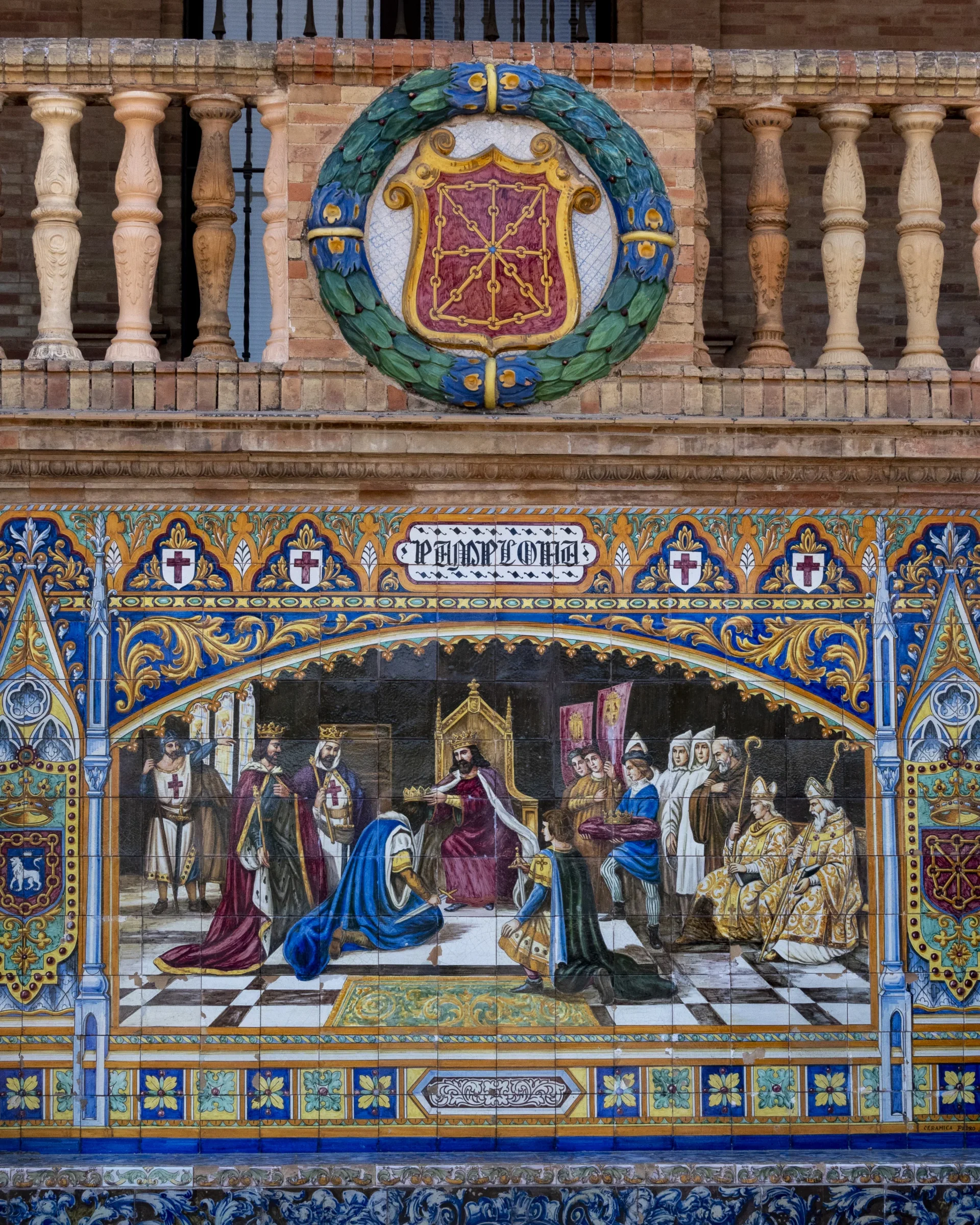
Day 5 – Walking around Sevilla was such an odd experience (and also a very hot one…). Some sections of the city reminded me of Tampa, with all the palm trees and city blocks, but then I would walk around a corner and a whole cathedral would just appear. Some buildings were big and grand, others small and functional. Sevilla was marked by many different cultures, mainly thanks to the abundance of trade and travel, and the two biggest ways the city shows this today is the architecture and the food; most places served Spanish food, but you could find dishes from all sorts of different cultures, like Asia and South America.
Granada
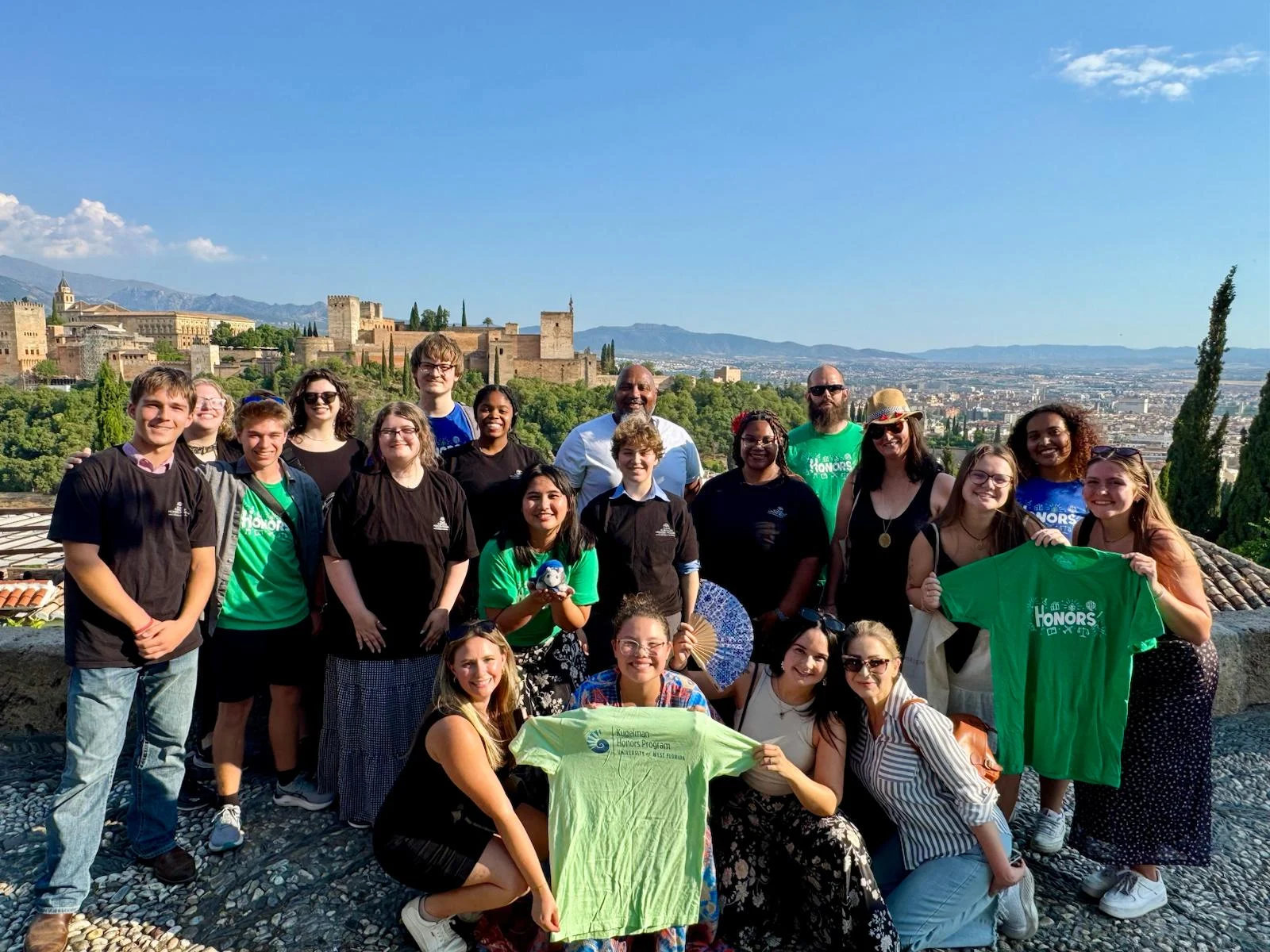
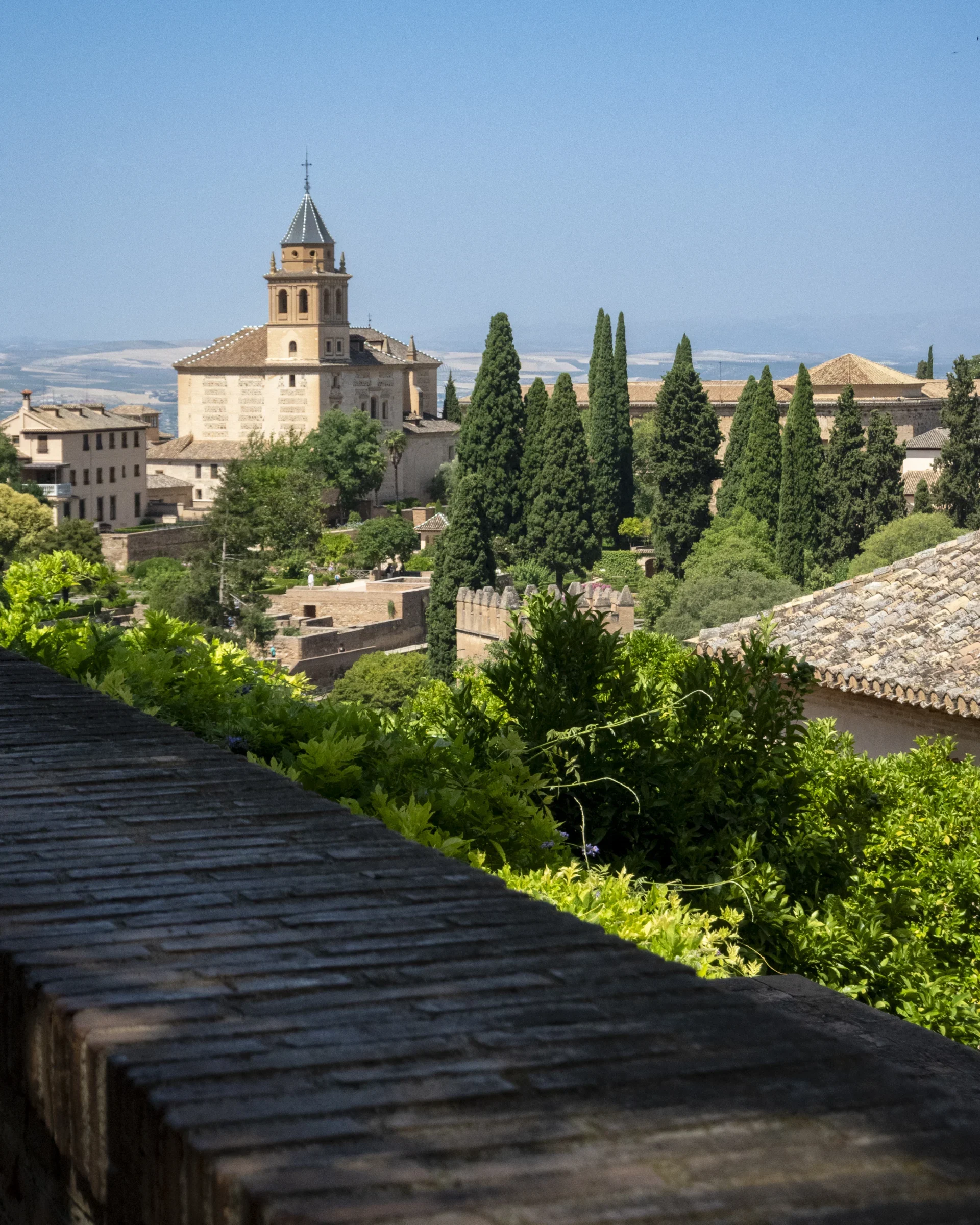
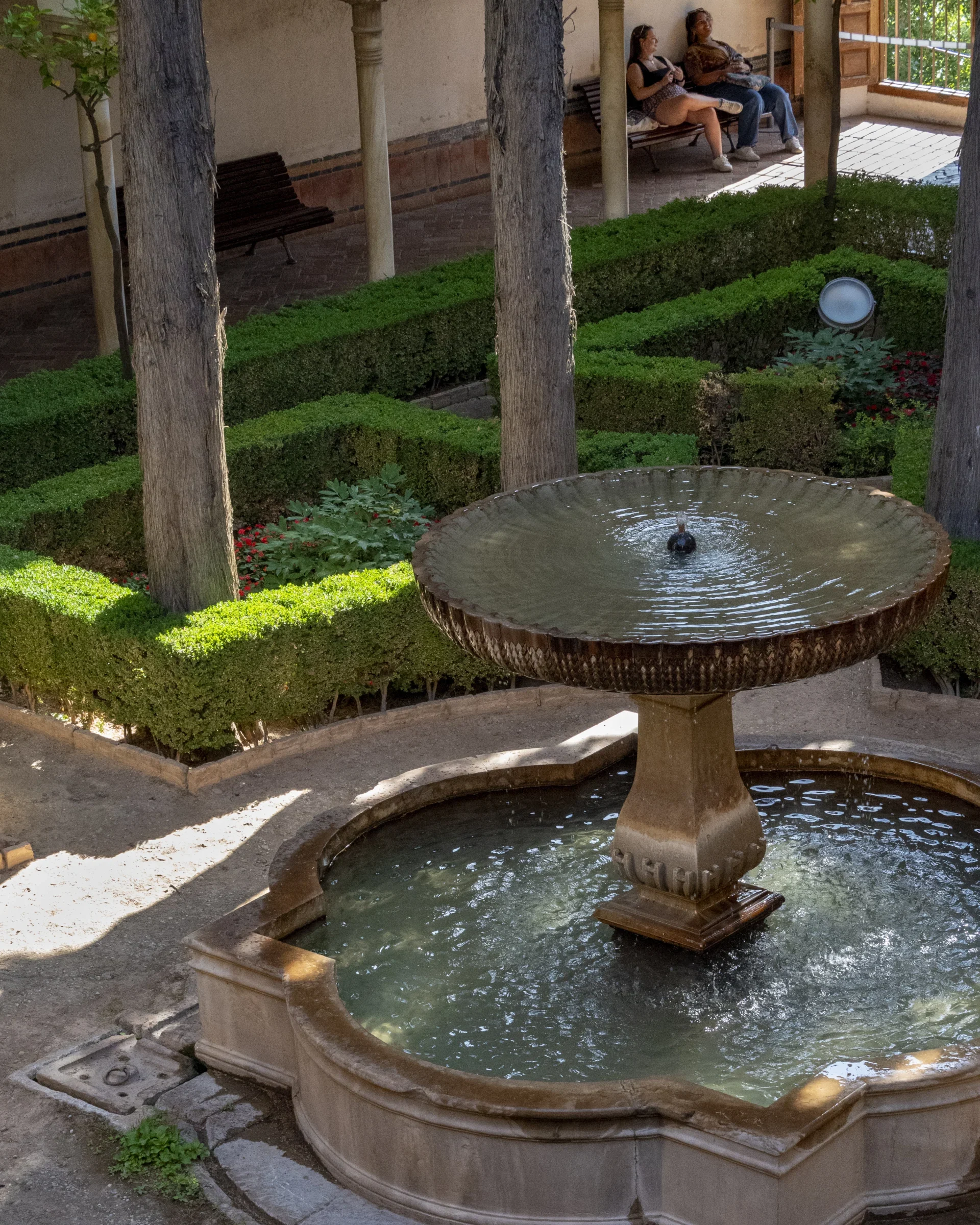
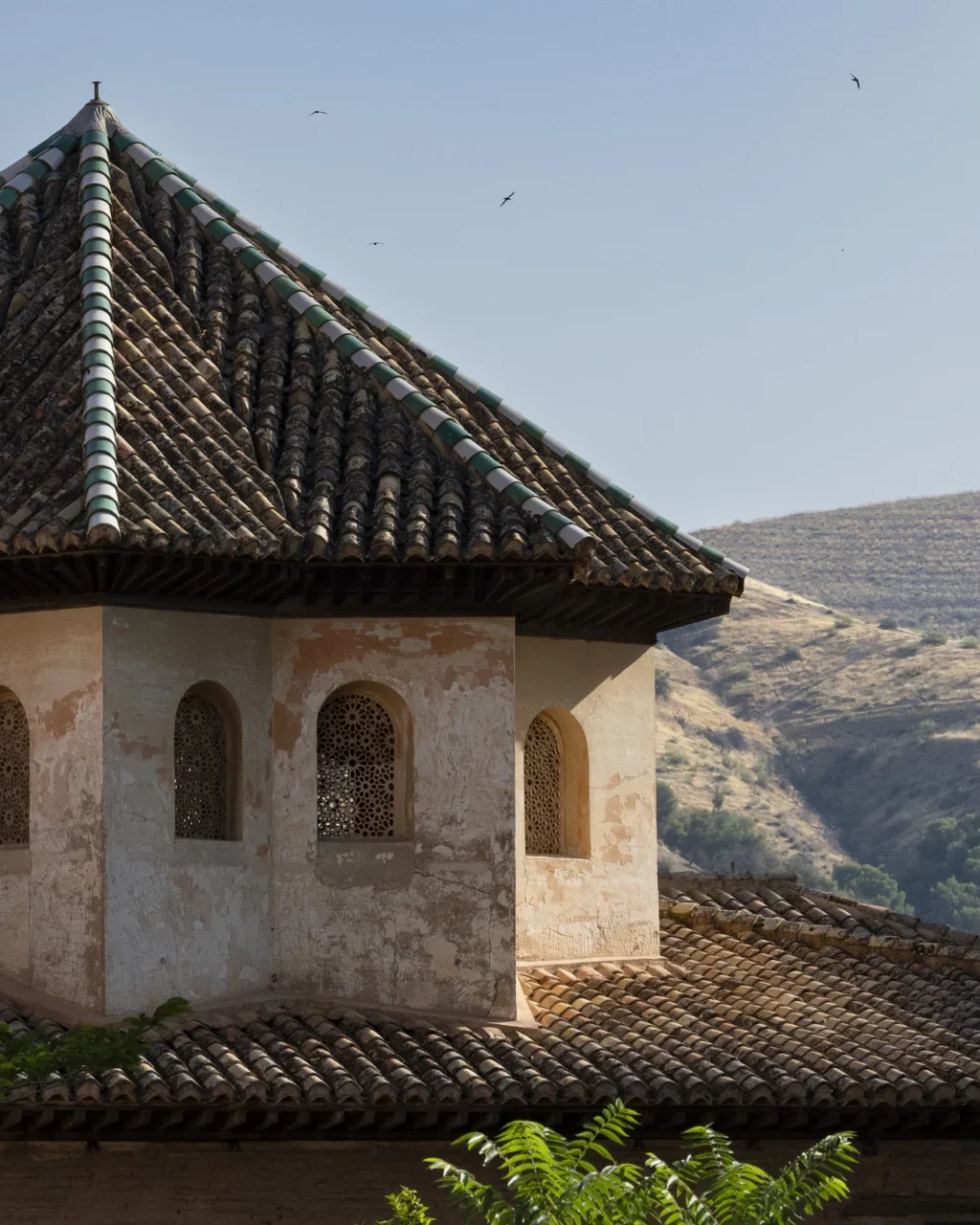
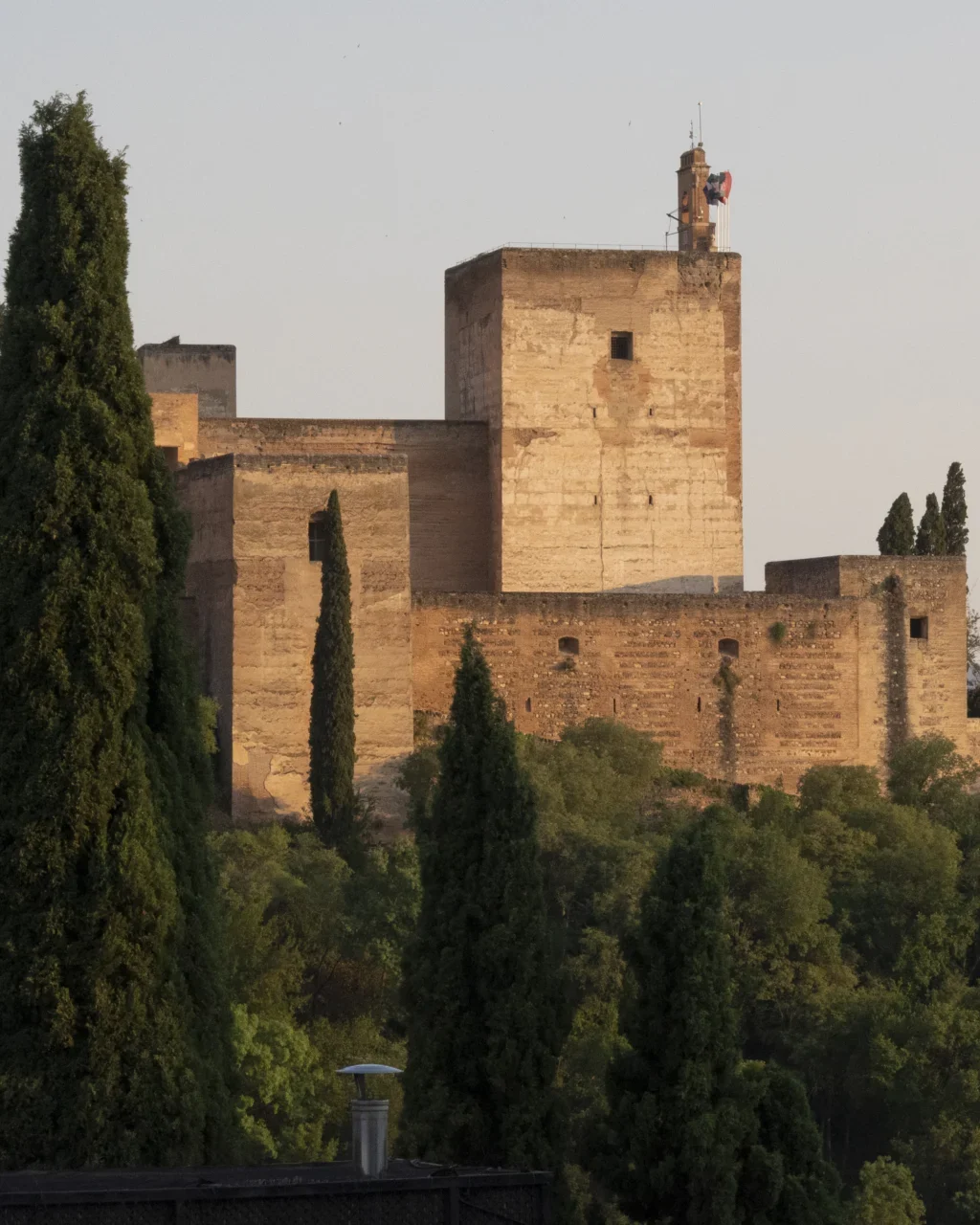
Day 9 – The Alhambra is by far my favorite place we have visited so far, and I hope my camera was able to capture its beauty. I was so lucky to get to see the fortress in the afternoon light, sunset, and moonlight. In my opinion, the gardens were the most stunning part. They were a feat of engineering back when they were created due to the innovated water delivery system that watered all the plants. The garden was a marvel back then, and it still is today thanks to the preservation and the history it holds.
Malaga
Day 11 – After exploring Malaga, I can safely say this is the city that reminds me the most of Pensacola. The city is more spread out that the others we have visited, and it is also on the coast, meaning this is the first city we have been to that has a beach, which was super weird to see because the sand was brown. The geographical similarities are no the only similarities present between Malaga and Pensacola; they both seem to bring in a lot of tourists and money thanks to their beaches, which is why there seem to be souvenir stands and beverage shops around every corner. It was very cool getting to see a foreign place so similar to my home.
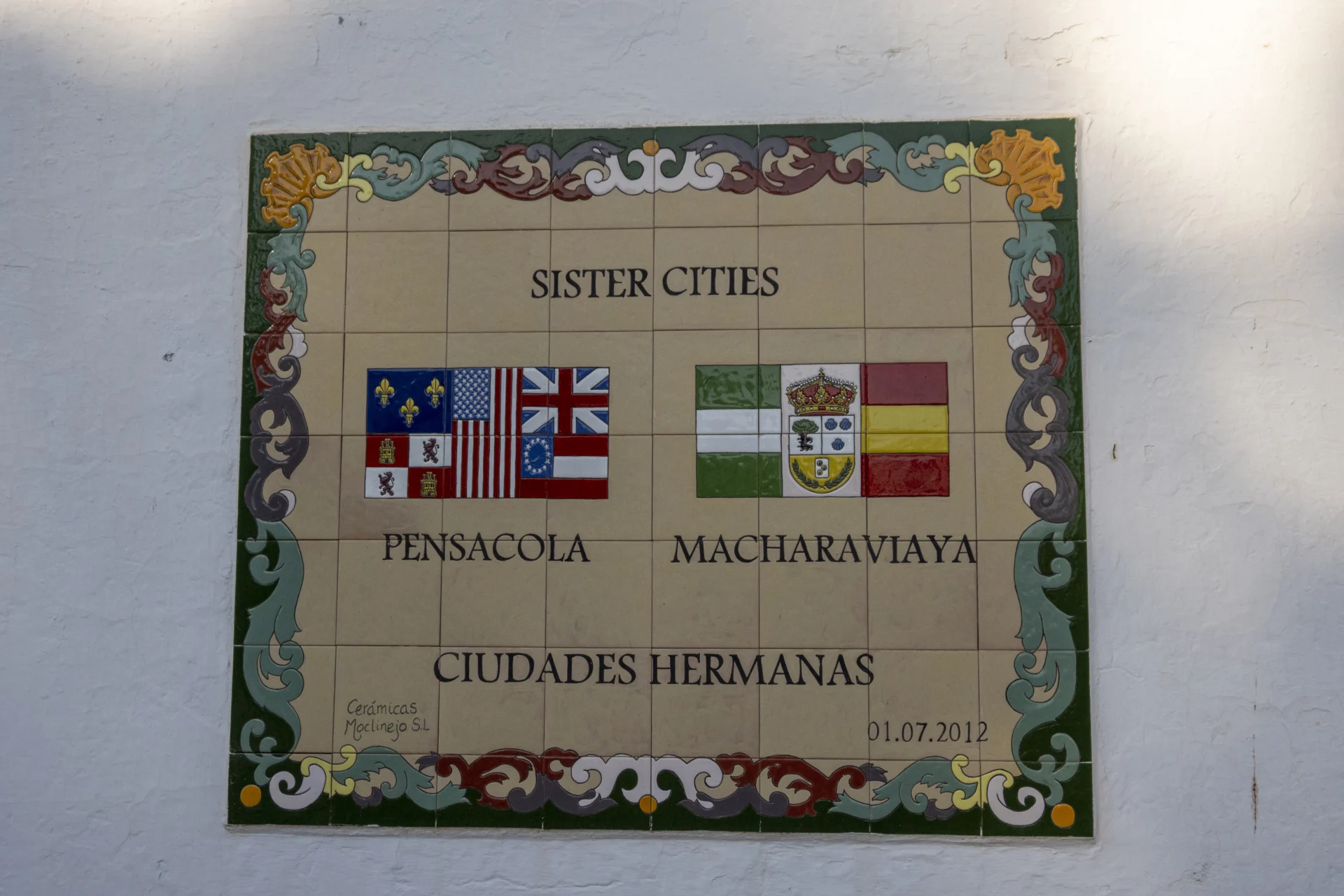
While it may not seem like it, this trip was super impactful for me as an engineering student because it showed me that people of a completely different culture can be not so different. While we were in Spain, we visited Macharaviaya, the sister city of Pensacola, which is my hometown in Florida. We got to celebrate the liberation of Pensacola in the American Revolution, and it was so eye-opening to see people in a totally different country celebrating my hometown. It showed me that maybe we are not all so different after all. This is a very valuable lesson for an engineer to learn, because engineers have to both work with many different people and also solve problems for societies that might not be their own.